- Research News

IceCube Observes Seven Astrophysical Tau Neutrino Candidates
Neutrinos are tiny, weakly interacting subatomic particles that can travel astronomical distances undisturbed. As such, they can be traced back to their sources, revealing the mysteries surrounding the cosmos. High-energy neutrinos that originate from the farthest reaches beyond our galaxy are called astrophysical neutrinos… Read More - Research News

A Focused Approach Can Help Untangle Messy Quantum Scrambling Problems
The world is a cluttered, noisy place, and the ability to effectively focus is a valuable skill. For example, at a bustling party, the clatter of cutlery, the conversations, the music, the scratching of your shirt tag and almost everything else must fade into… Read More - Research News

New Laser Experiment Spins Light Like a Merry-go-round
In day-to-day life, light seems intangible. We walk through it and create and extinguish it with the flip of a switch. But, like matter, light actually carries a little punch—it has momentum. Light constantly nudges things and can even be used to push spacecraft.… Read More - Research News

The Many Wonders of Uranium Ditelluride
In the menagerie of exotic materials, superconductors boast their own vibrant ecosystem. All superconductors allow electricity to flow without any resistance. It’s their hallmark feature. But in many cases, that’s where the similarities end. Some superconductors, like aluminum, are conventional—run-of-the-mill, bread-and-butter materials that are… Read More - Research News

Simulations of ‘Backwards Time Travel’ Can Improve Scientific Experiments
If gamblers, investors and quantum experimentalists could bend the arrow of time, their advantage would be significantly higher, leading to significantly better outcomes. Adjunct Assistant Professor and JQI affiliate Nicole Yunger Halpern and her colleagues at the University of Cambridge have shown that by… Read More - Research News
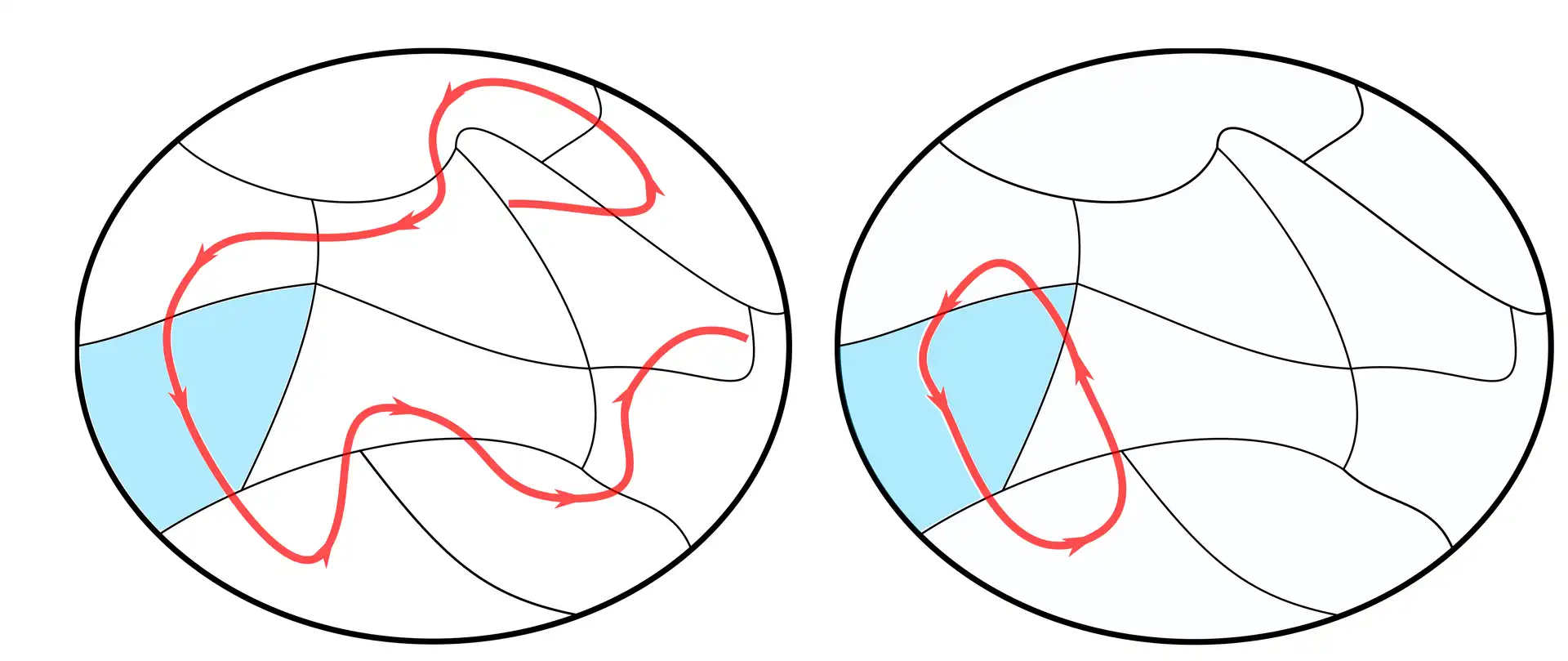
Embracing Uncertainty Helps Bring Order to Quantum Chaos
In physics, chaos is something unpredictable. A butterfly flapping its wings somewhere in Guatemala might seem insignificant, but those flits and flutters might be the ultimate cause of a hurricane over the Indian Ocean. The butterfly effect captures what it means for something to… Read More - Research News

Advocating for Quantum Simulation of Extreme Physics
The Big Bang, supernovae, collisions of nuclei at breakneck speeds—our universe is filled with extreme phenomena, both natural and human-made. But the surprising thing is that all of these seemingly distinct processes are governed by the same underlying physics: a combination of quantum mechanics… Read More - Research News

Novel Quantum Speed Limits Tackle Messy Reality of Disorder
The researchers and engineers studying quantum technologies are exploring uncharted territory. Due to the unintuitive quirks of quantum physics, the terrain isn’t easy to scout, and the path of progress has been littered with wrong turns and dead ends. Sometimes, though, theorists have streamlined… Read More - Research News

UMD Researchers Study the Intricate Processes Underpinning Gene Expression
A new study led by University of Maryland physicists sheds light on the cellular processes that regulate genes. Published in the journal Science Advances, the paper explains how the dynamics of a polymer called chromatin—the structure into which DNA is packaged—regulate gene expression. Through… Read More
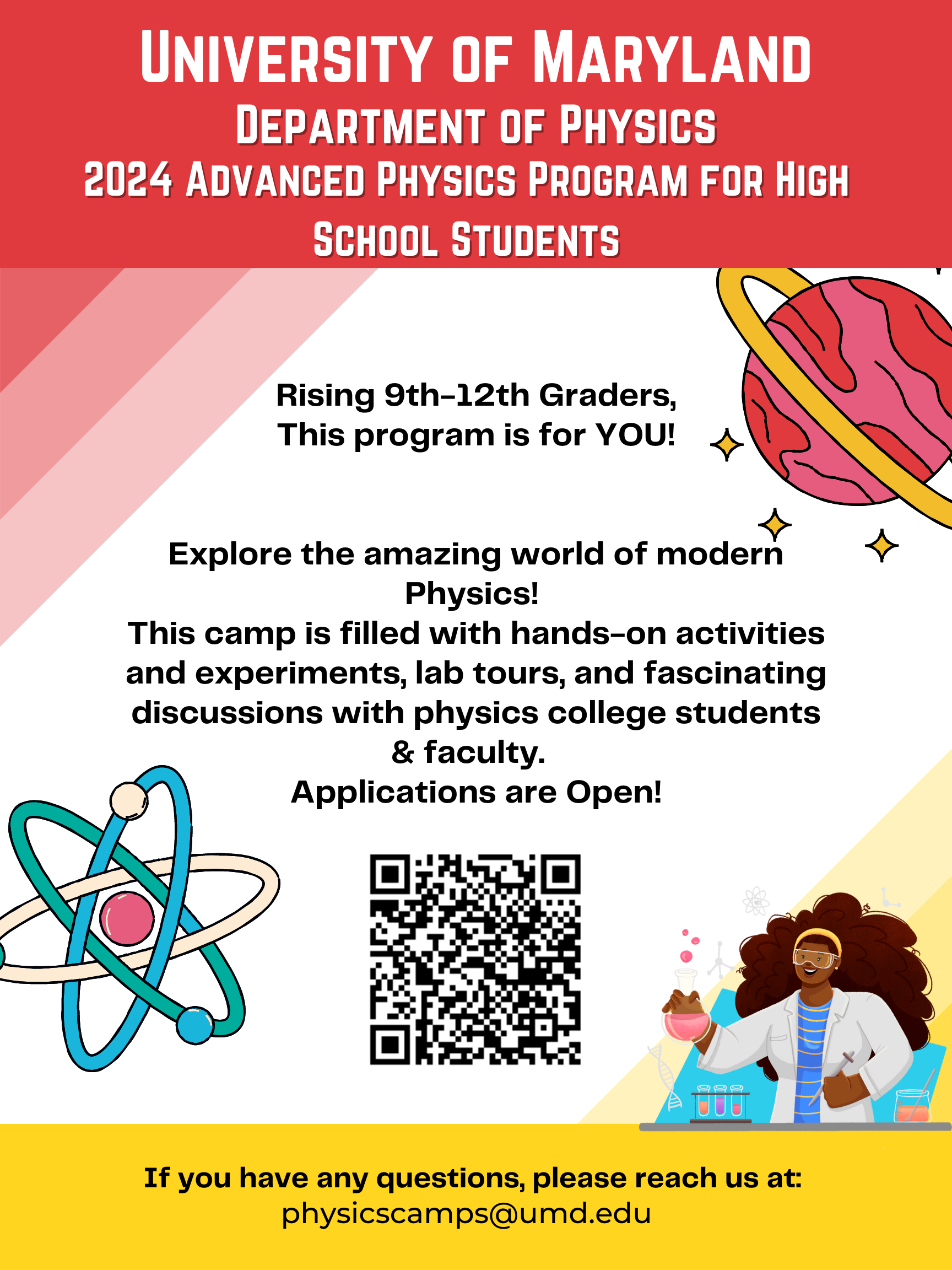
- Advanced Physics Camp
Department News
-
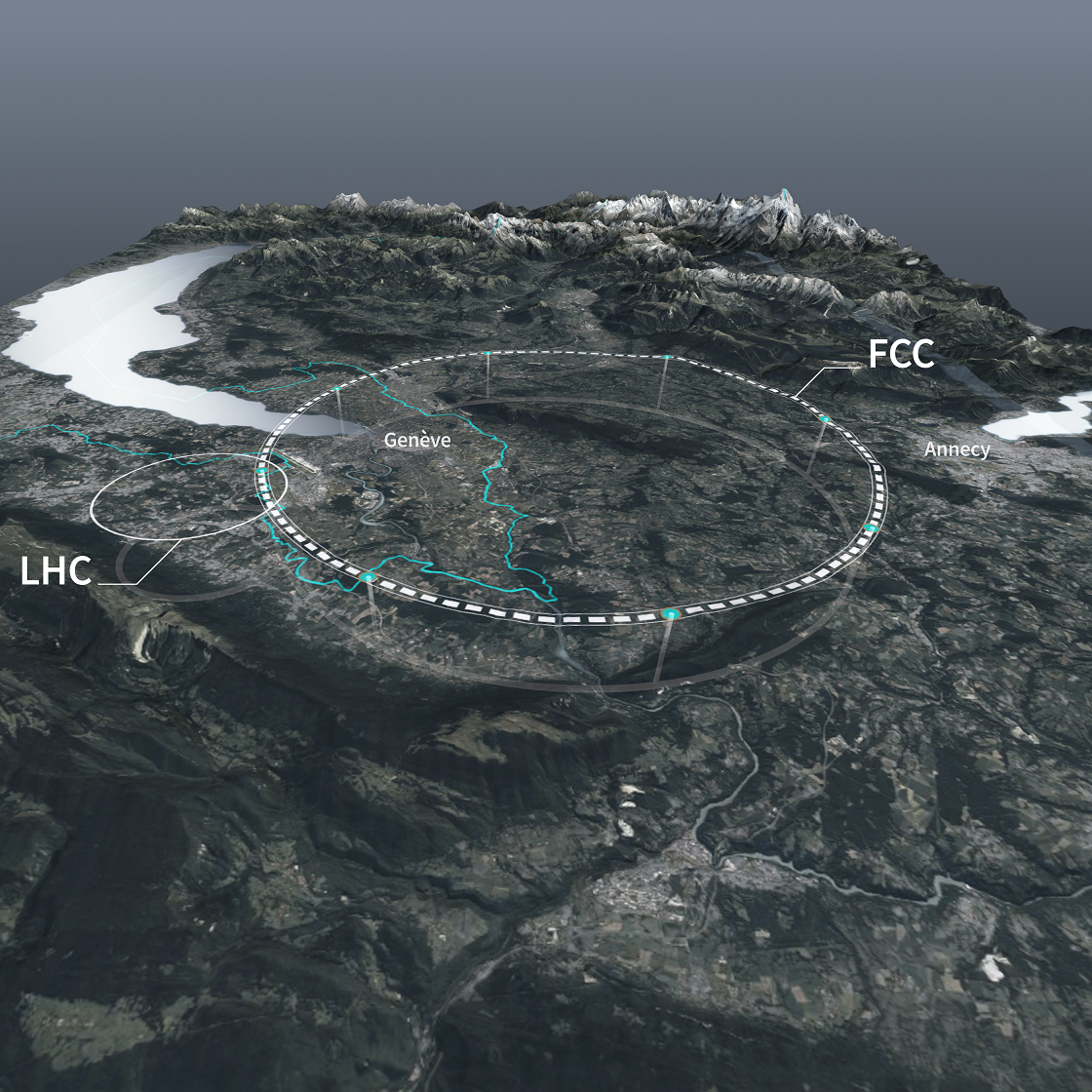 Apr 26, 2024 US Joins FCC Effort: Maryland’s Impact On April 26, 2024, a joint “Statement of Intent between the United States of America and the European Organization for Nuclear Research (CERN) concerning Future Planning for Large Research Infrastructure Facilities, Advanced Scientific Computing, and Open Science” was signed at The White House. The US-CERN… Read More
 -
 Apr 17, 2024 Ana Maria Rey to Speak at Graduate Commencement Ceremony For Ana Maria Rey (Ph.D. ’04, physics), the path to a highly successful career as a theoretical physicist and researcher began more than three decades ago in her home country of Colombia, with an inspiring high school physics teacher, the brilliance of Isaac Newton and… Read More
 -
 Apr 3, 2023 Three UMD Undergrads Named 2024 Goldwater Scholars Three undergraduates in the University of Maryland’s College of Computer, Mathematical, and Natural Sciences (CMNS) have been awarded 2024 scholarships by the Barry Goldwater Scholarship and Excellence in Education Foundation, which encourages students to pursue advanced study and research careers in the sciences, engineering and… Read More
 -
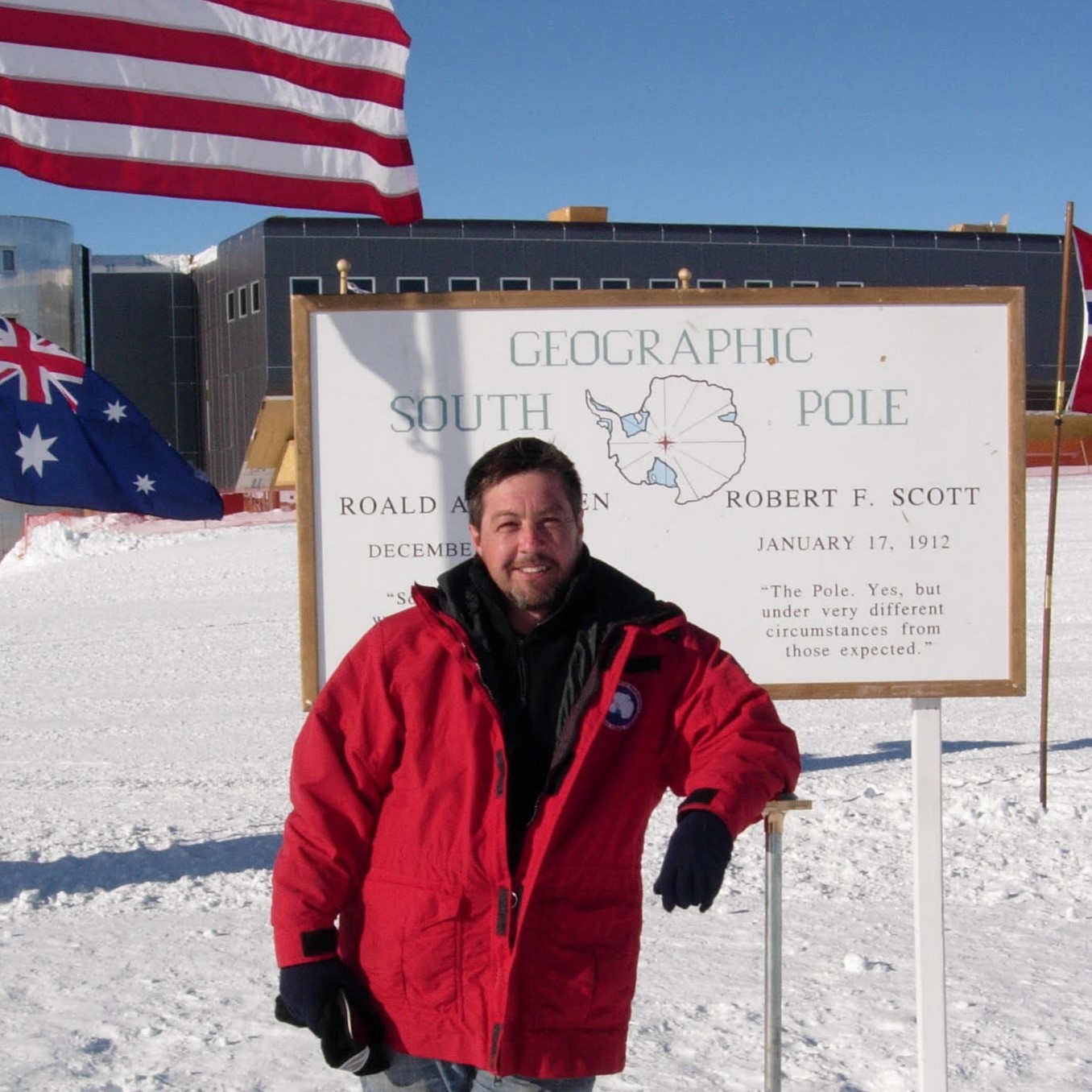 Mar 21, 2024 Sullivan Named Distinguished Scholar-Teacher Professor Greg Sullivan has been named a University of Maryland Distinguished Scholar-Teacher. The Distinguished Scholar-Teacher Program, established in 1978, honors a small number of faculty members each year who have demonstrated notable success in both scholarship and teaching. Sullivan received his Ph.D. from the University of… Read More
- 1
- 2
- 3
› ‹